

SAR Testing for SDPPI Certification
As we already know, SDPPI has required SAR (Specific Absorption Rate) testing, starting from December 1, 2023.
Previous technical regulations had already included SAR testing requirements for SDPPI certification, including:
- Minister of Communication and Informatics Regulation No. 13 of 2021
- Director General of SDPPI Regulation No. 02 of 2019
- Director General of SDPPI Regulation No. 03 of 2019
- Director General of SDPPI Regulation No. 05 of 2019
- Director General of SDPPI Regulation No. 161 of 2019
In addition, the large number of devices used close to the head and other parts of the body became one of the reasons for implementing limitations on radiation exposure from telecommunication equipment and/or telecommunication devices so that exposure remains within safe limits.
SAR (Specific Absorption Rate) is a measurement used to determine the amount of electromagnetic radiation absorbed by the human body when using wireless telecommunication devices.
SAR is expressed in watts per kilogram (W/kg).
SAR limits are regulated under the ICNIRP Guidelines (1998 and 2020).
Health Effects Related to SAR According to WHO
Several health effects mentioned in relation to SAR include:
- Stimulation of nerves
- Changes in cell membrane permeability
- Increased temperature in certain parts of the body beyond safe limits
SAR testing, which will be implemented by SDPPI as one of the requirements for applying for SDPPI certification, is intended to protect the public from potential risks caused by the use of telecommunication devices operating with radio frequencies.
However, at the time referred to in this article, SAR testing had not yet been implemented as a mandatory requirement for telecommunication device certification.
The plan was scheduled to be implemented starting on December 1, 2023.
Products Required to Undergo SAR Testing for SDPPI Certification
SAR testing is conducted on devices that are used at a maximum distance of 20 cm from the body and have a transmission power of more than 20 mW.
The following types of products were scheduled to be subject to SAR testing:
- Mobile Phones
- Handheld Computers
- Tablet Computers
- Virtual Reality Devices
- Laptops
- Wearable Devices
What Is Specific Absorption Rate (SAR)?
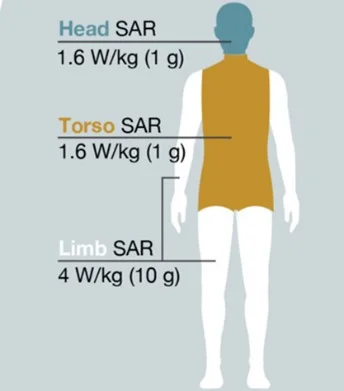
Specific Absorption Rate (SAR) measures how much electromagnetic wave energy is absorbed by the human body when using wireless devices such as mobile phones.
SAR is measured in watts per kilogram (W/kg) and reflects the level of exposure to electromagnetic radiation.
The higher the SAR value, the more electromagnetic wave energy is absorbed by the user’s body.
SAR limits have been established to ensure that exposure levels remain within accepted safety limits.
In other research terminology, Specific Absorption Rate is used as a benchmark for determining the radiation level of a mobile phone.
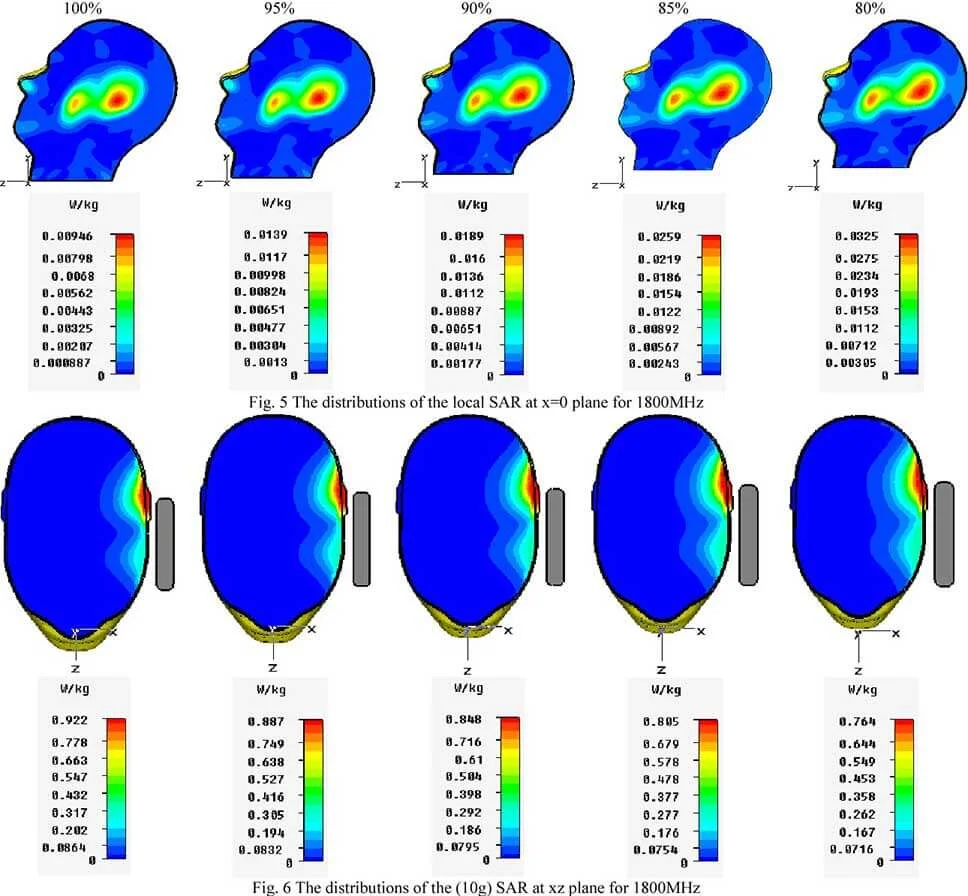
SAR testing for telecommunication devices as part of certification requirements has already been implemented in several countries, including:
- Singapore
- South Korea
- India
In 2022, the Directorate General of SDPPI conducted a study involving various experts and stakeholders.
The SAR limits in Indonesia will refer to the International Commission on Non-Ionizing Radiation Protection (ICNIRP) guidelines, which have been used globally in 156 countries.
ICNIRP is an institution recognized by the World Health Organization (WHO) and the International Telecommunication Union (ITU) with the purpose of protecting the public and the environment from the harmful effects of non-ionizing radiation.
ICNIRP issued the ICNIRP 1998 and ICNIRP 2020 guidelines to limit exposure to electromagnetic fields generated by telecommunication devices.
Without adequate SAR regulation in technology components, the main risk is the potential increase in electromagnetic radiation exposure that may affect human health.
Increased exposure may be associated with potential risks to body tissues and organs.
Therefore, compliance with established SAR standards is important to ensure that electronic devices are safe for users.
Factors That May Affect SAR in Technology Devices
Safety standards have been established to regulate SAR levels so that they remain within limits considered safe for humans.
Health organizations and regulatory authorities such as WHO and FCC have guidelines related to this matter.
Several factors that may affect SAR include:
Radiation Frequency
SAR levels may vary depending on the frequency of electromagnetic radiation used by the device.
Higher frequencies tend to have higher levels of energy absorption.
Distance from the Radiation Source
The closer a device is to the body, the higher the level of energy absorption may become.
A shorter distance can increase SAR.
Duration of Exposure
The length of time a device is used may affect the amount of energy absorbed by the body.
Prolonged use may increase exposure to radiation.
Device Transmission Power
Devices with higher transmission power tend to generate higher SAR levels.
Usage Pattern
The way a device is used, including whether it is being operated in an area with a weak or strong signal, may affect the level of radiation exposure.
Antenna and Device Design
The design of the antenna and the device itself may also influence SAR levels.
Good design can help reduce the amount of radiation absorbed by the human body.
By understanding SAR, we can help ensure that the level of energy absorbed by the body remains within safe limits.
SAR Testing for SDPPI Certification
SAR testing uses standardized models of the human head and body filled with liquid that simulates the RF absorption characteristics of different human tissues.
To determine compliance, each mobile phone is tested while operating at its highest power level across all frequency bands supported by the device.
Testing is also performed in various specific positions against simulated head and body models to represent different ways users normally hold and use mobile phones, including use on either side of the head.
To test SAR compliance for mobile phones, the device is precisely positioned in several common locations beside the head and body.
A robotic probe then performs a series of electrical field measurements at specific points arranged in a highly precise grid pattern inside the simulated head and body.
All data for each device position is submitted as part of the equipment approval test report for final authorization.
However, only the highest SAR value for each frequency band is included in the final authorization to demonstrate compliance with FCC RF exposure guidelines.
SDPPI SAR Testing Implementation Roadmap
The following table shows the implementation roadmap for SAR testing based on device type and the part of the body exposed during use.
No.Device TypeBody PartMandatory Starting Date
1 | Mobile Phone | Head | December 1, 2023
1 | Mobile Phone | Torso/Body and Limbs | August 1, 2025
2 | Handheld Computer | Head | August 1, 2024
2 | Handheld Computer | Torso/Body and Limbs | August 1, 2025
3 | Tablet Computer | Head | August 1, 2024
3 | Tablet Computer | Torso/Body and Limbs | August 1, 2025
4 | Virtual Reality Device | Head | August 1, 2024
4 | Virtual Reality Device | Torso/Body and Limbs | August 1, 2025
5 | Laptop | Head | August 1, 2024
5 | Laptop | Torso/Body and Limbs | August 1, 2025
6 | Wearable Device | Head | August 1, 2024
6 | Wearable Device | Torso/Body and Limbs | August 1, 2025
The roadmap above separates the implementation requirements according to both device category and body exposure area, making it easier to identify when SAR testing becomes mandatory for each type of device.