

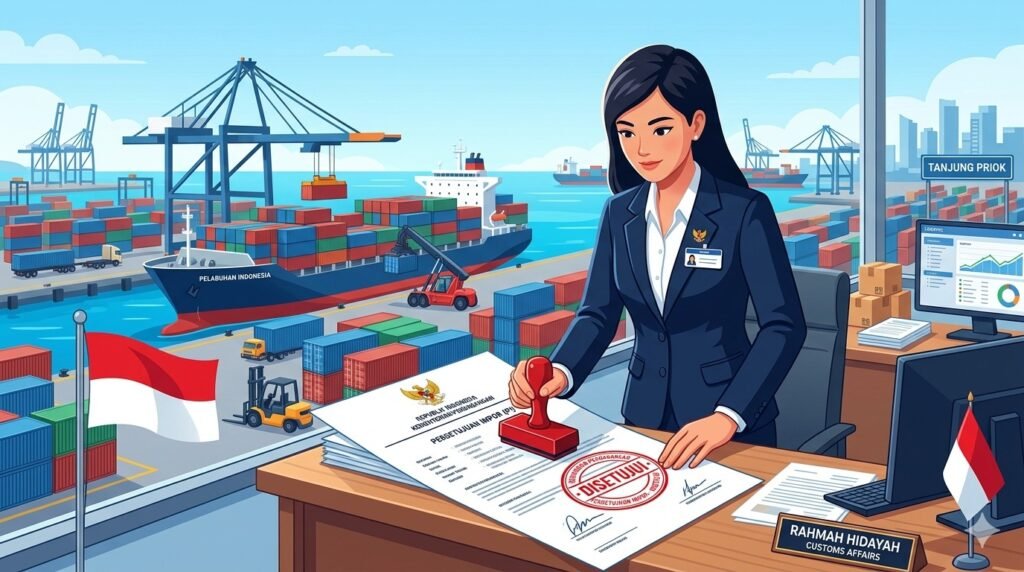
List of Iron and Steel Products That Require Import Permit (IP)
As part of its efforts to regulate the flow of iron and steel imports into Indonesia, the government requires importers to obtain an Import Permit, commonly referred to as Iron and Steel Import Approval, before the goods enter Indonesian territory.
This policy aims to maintain the quality of imported products, protect domestic industries, and prevent dumping practices that may disrupt the domestic market.
So, which iron and steel products require an Import Approval? Here’s what you need to know.
What Is Iron and Steel Import Permit?
The Ministry of Trade of the Republic of Indonesia issues the Iron and Steel Import Approval to companies planning to import iron, steel, alloy steel, and derivative products into Indonesia.
Without Iron and Steel Import Approval, importers cannot proceed with the customs clearance process because the goods do not meet the applicable import requirements in Indonesia.
Minister of Trade Regulation No. 22 of 2025 and its implementing regulations set out the requirements for Iron and Steel Import Approval.
Which Iron and Steel Products Require Import Permit?
The following iron and steel product categories require an Import Permit (IP):
1. Iron and Steel in Ingot Form
This category includes primary raw materials used in the steel industry, such as:
- Pig iron
- Billets
- Slabs
- Blooms
Example HS Codes:
- 7206
- 7207
2. Semi-Finished Iron and Steel Products
Semi-finished products are commonly used as intermediate materials for further steel manufacturing processes.
Examples include:
- Plate slabs
- Blooms for the steel industry
- Billets for rolling mills
Example HS Codes:
- 7207.20
- 7207.11
3. Flat Iron and Steel Products
These products are widely used in the automotive, construction, and manufacturing industries.
Types of products include:
- Hot Rolled Coil (HRC)
- Cold Rolled Coil (CRC)
- Galvanized Steel (GI)
- Aluminium Zinc Coated Steel
- Tinplate
Example HS Codes:
- 7208
- 7209
- 7210
- 7212
4. Long Iron and Steel Products
Long products include various construction and structural materials.
Examples include:
- Wire rod
- Bar and rod
- Rebar or reinforced steel bar
- H-Beam
- I-Beam
- U-Channel
Example HS Codes:
- 7213
- 7214
- 7215
- 7216
5. Iron and Steel Pipes and Tubes
These products are commonly used in construction, oil and gas, and manufacturing industries.
Types of products include:
- Carbon steel pipe
- Seamless pipe
- Welded pipe
- Tube and hollow section
Example HS Codes:
- 7304
- 7305
- 7306
6. Alloy Steel and Stainless Steel
This category includes special steel products with specific technical specifications.
Examples include:
- Stainless steel coil
- Stainless steel sheet
- Stainless steel plate
- High-speed steel
- Tool steel
Example HS Codes:
- 7222
- 7225
- 7226
7. Derivative Iron and Steel Products
In addition to main iron and steel products, certain derivative products made of iron and steel may also be subject to IP requirements.
Examples include:
- Steel-based cladding materials
- Steel construction structures
- Building fittings and bracing materials
The HS Code for derivative products generally depends on the dominant material composition of the goods.
Why Are Iron and Steel Products Required to Have Iron and Steel Import Approval?
The government requires Iron and Steel Import Approval for several important reasons.
Maintaining Quality Standards
Imported products must comply with the Indonesian National Standard (SNI) and other applicable technical requirements.
Protecting Domestic Industries
Import control helps prevent the entry of low-priced products resulting from dumping practices.
Ensuring Construction Safety
Iron and steel products are used in infrastructure projects, so their quality must be properly guaranteed.
Supporting Fair Trade
Import regulations help create fairer and healthier business competition in the domestic market.
How to Apply for Iron and Steel Import Approval
To apply for Import Permit for Iron and Steel, importers generally need to fulfil several requirements.
General Requirements
- Have a Business Identification Number (NIB)
- Companies must register as a general importer or producer importer.
- Submit an application through the INATRADE system.
Required Documents
- IP application letter
- Invoice and packing list
- Purchase Order (PO) or sales contract
- Product technical specifications
- Technical recommendation letter, if required
- SNI Certificate
- Surveyor Report (LS)
Risks of Importing Without Iron and Steel Import Approval
If an importer brings in products that require IP without obtaining the required Import Permit document, the importer may face several risks, such as:
- Goods being held by Customs
- Rejection of import documents
- Administrative fines
- Revocation of business licenses
- Damage to the company’s reputation
Various products such as HRC, CRC, rebar, wire rod, steel pipes, stainless steel, and other derivative iron and steel products are required to have Iron and Steel Import Approval before being imported into Indonesia.
This Import Permit plays an important role in maintaining product quality, ensuring construction safety, and protecting the national industry from unfair trade practices.
For import business players, understanding which products are required to have Iron and Steel Import Approval and how to apply for it can help ensure a smoother import process while maintaining compliance with applicable regulations.